


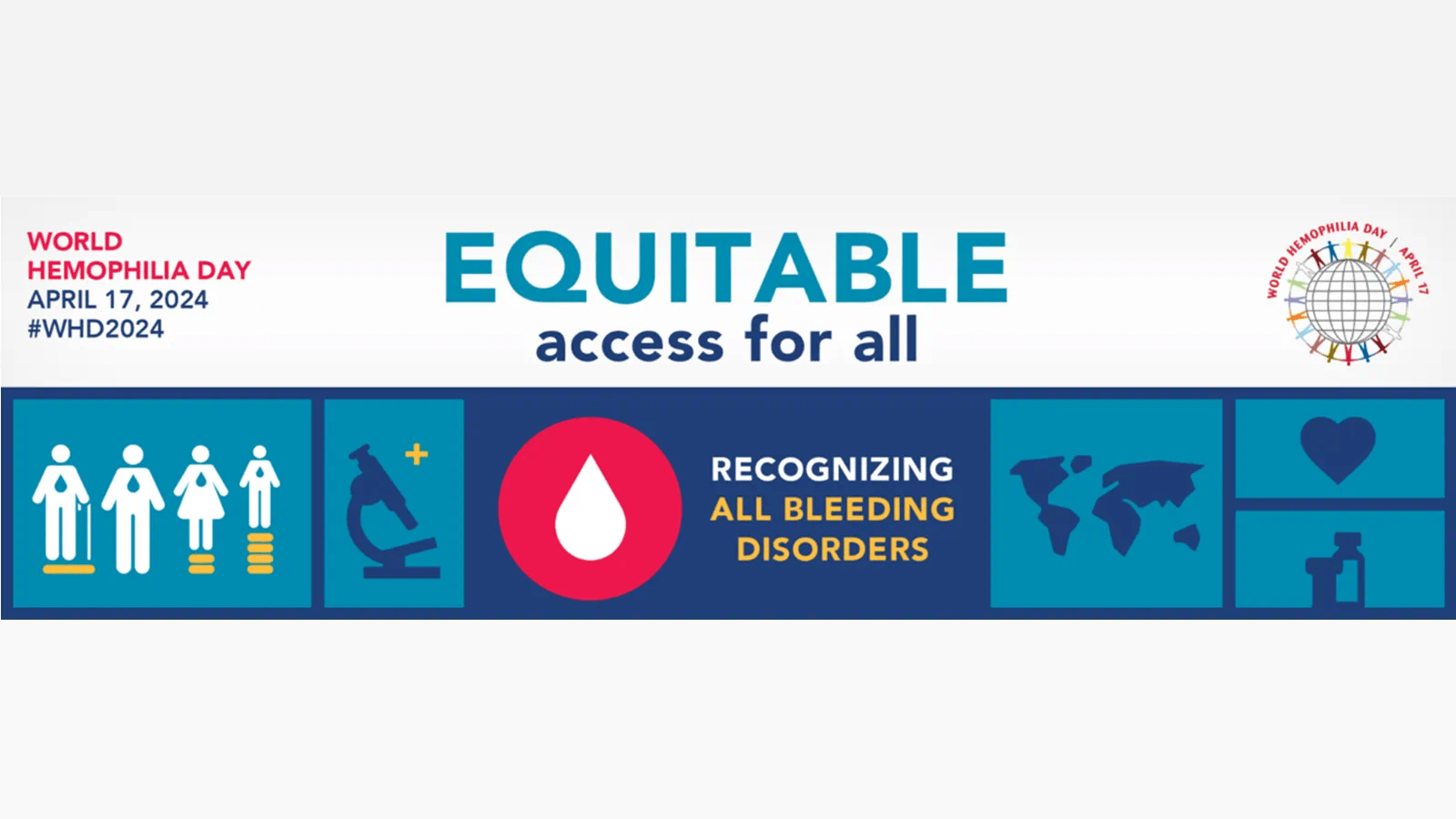
In recognition of #WorldHemophiliaDay and as part of Our Promise, CSL continues to support the vision of equitable access for all. Through groundbreaking research, innovative developments, and collaborative partnerships, we are dedicated to paving the path toward a future where every person, regardless of their type of bleeding disorder, gender, age, or geographical location, can access the care they deserve. #WHD2024
17 April Is World Hemophilia Day 2024
CSL recognizes patients around the globe who live with bleeding disorders such as hemophilia.
CSL has Announced its 2024 Half Year Financial Results. Click here to read more →
CSL. Always Evolving for a Better World.
CSL has delivered biotechnology excellence for over a century. Today, with the combined expertise of CSL Behring, CSL Plasma, CSL Seqirus and CSL Vifor, CSL’s offerings are more diverse than ever to help ensure patients and people everywhere get the treatments they need. We’re always improving so life can, too.
Our Businesses and Products
CSL. Always Evolving for a Better World.
CSL has delivered biotechnology excellence for over a century. Today, with the combined expertise of CSL Behring, CSL Plasma, CSL Seqirus and CSL Vifor, CSL’s offerings are more diverse than ever to help ensure patients and people everywhere get the treatments they need. We’re always improving so life can, too.
Our Businesses and Products
CSL Behring. Leading the Way in Treating Rare and Serious Diseases.
CSL Behring is a global biotech leader with a broad range of biotherapies for rare and serious diseases including bleeding disorders, immunodeficiencies, hereditary angioedema, neurological disorders and Alpha 1 Antitrypsin Deficiency.
More About CSL Behring
CSL Seqirus. On the Front Line of Public Health Protection.
As the only vaccine company with a singular global focus on influenza, we work tirelessly on cutting-edge research, transformative technologies, and the latest methods of production and distribution. Together with our partners we’re on the front line every day, working to help protect communities from seasonal influenza and global pandemic threats.
More About CSL Seqirus
CSL Vifor. Changing the Game in Iron Deficiency and Nephrology.
The newest member of the CSL family, CSL Vifor is a global leader in iron deficiency and nephrology and is committed to launching the next generation of therapies to truly address the full spectrum of kidney disease, with a focus on dialysis and rare disease.
More About CSL ViforVita: Original Stories
'Vita' means life. It's also where we share the stories of biotech's promise to patients and public health.

Careers at CSL
We are committed to helping employees fulfill their career aspirations while working in a values-based culture. Are you next?

17 Apr
17 Apr
🔬 Watch the video to learn how CSL's R&D uses automation platforms to create more efficient workflows and enable better decision-making 💡 https://bit.ly/3vXrBed
17 Apr
CSL is dedicated to lifesaving treatments for hemophilia, a rare bleeding disorder that affects thousands of people across the globe. #WorldHemophiliaDay Learn more about patients living with this condition: https://bit.ly/4aCaptY

16 Apr
In recognition of #WorldHemophiliaDay tomorrow and as part of Our Promise, CSL supports the mission of equitable care by partnering with WFH and other organizations to provide annual donations of coagulation factor replacement therapy to ensure more people with bleeding disorders have access to life-saving and life-extending treatments around the world. Working together to be one step closer toward equitable access for all. #WHD2024

16 Apr
In recognition of #WorldHemophiliaDay tomorrow and as part of Our Promise, CSL strives to develop and deliver life-saving, innovative treatments that meet the needs of all people living with bleeding disorders. Supporting the efforts of the hemophilia community and working together to be one step closer toward equitable access for all. #WHD2024

16 Apr
At CSL, helping to protect the public’s health is a top priority. Vaccination is one way to keep yourself protected against influenza and many other viruses. Getting vaccinated against the #flu can also help prevent hospitalization or flu-related complications. Ask your health care provider about the vaccines that are right for you. Click here to learn more about our vaccines business, CSL Seqirus: https://bit.ly/4aCzULu #CSLSeqirus #vaccination #Influenza #CSL #DrivenByOurPromise

16 Apr
Join CSL next week at #WFHCongress2024 in #Madrid2024 . We’re looking forward to sponsoring multiple symposium and highlighting our continued commitment to the #BleedingDisorder community.

15 Apr
#MondayMotivation
12 Apr
Around the world, the number of adults over 60 is expected to double from 2015 to 2050. Vaccines can support #HealthyAging by protecting people from diseases like COVID-19, influenza, and more. Ask your health care provider which vaccines are right for you. Learn more about CSL and our vaccines business, CSL Seqirus: https://bit.ly/3UippaM #CSLSeqirus #CSL #Influenza #VaccinesForLife #DrivenByOurPromise

8 Apr
#MondayMotivation
